If you're taking a GLP-1 medication like Ozempic, Wegovy, or Mounjaro, strength training is the single most important thing you can do to protect your muscle. GLP-1 drugs suppress appetite aggressively — and without consistent resistance training, a significant portion of the weight you lose will come from muscle, not fat.
Here's exactly how to structure your lifting, hit your protein targets, and keep making gains on GLP-1.
Why GLP-1 Users Lose Muscle (and How to Prevent It)
GLP-1 receptor agonists work by reducing hunger and slowing gastric emptying. That caloric deficit is powerful for fat loss, but your muscles don't care why you're eating less — they break down when calories and protein drop too low without a training stimulus defending them.
Research on GLP-1 users shows that 20–40% of total weight lost can come from lean mass when training and protein intake aren't deliberately managed. For someone who has spent years building strength, that's a brutal trade-off.
The fix is straightforward: lift heavy, eat enough protein, and log every session so you can see what's actually happening to your strength numbers.
How Much Protein Do You Need on GLP-1?
This is where most people fall short. GLP-1 medications reduce your desire to eat, but your protein requirement doesn't shrink along with your appetite.
Target at least 0.7–1.0g of protein per pound of bodyweight (1.6–2.2g/kg) while running a GLP-1-assisted deficit. Because your total food intake is lower, every gram becomes more critical — prioritize high-protein sources at every single meal.
Practical choices:
- Greek yogurt, cottage cheese, eggs, and chicken breast pack the most protein per calorie
- Protein shakes become more useful here because they're calorie-light and filling
- Track your intake — if you're not measuring it, you're almost certainly under-eating protein on reduced-appetite days
Many GLP-1 users can only manage small meals. Multiple small high-protein servings throughout the day is more effective than trying to hit your daily target in two sittings.
The Best Strength Training Plan on GLP-1
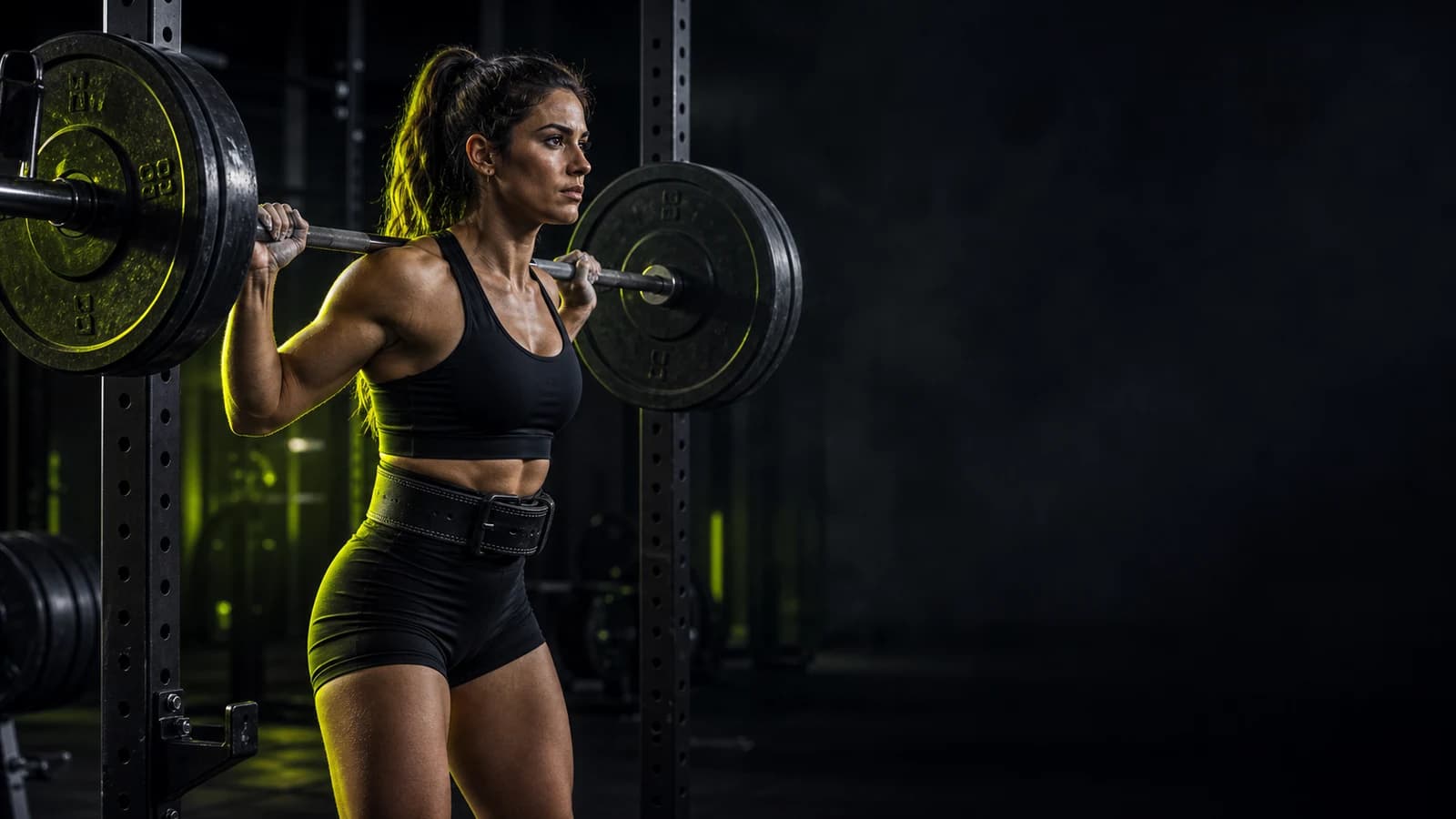
Your goal while on GLP-1 is to send a muscle-retention signal to your body. That means progressive, compound, heavy resistance training, 3–4 days per week.
3 days/week full-body works well for lower recovery capacity on a caloric deficit:
- Day 1: Squat, bench press, bent-over row
- Day 2: Romanian deadlift, overhead press, pull-ups
- Day 3: Leg press, incline press, cable row
4 days/week upper-lower split if your recovery holds up:
- Upper A: Bench press, barbell row, overhead press, curl
- Lower A: Back squat, Romanian deadlift, leg press, calf raises
- Upper B: Incline press, weighted pull-up, lateral raises, triceps
- Lower B: Deadlift, hack squat, lunges, hamstring curl
The key principle: don't gut your training volume just because you're eating less. Reduce intensity slightly if recovery suffers, but keep the frequency and the compound movements. Those heavy bilateral lifts — squat, deadlift, press — are what tells your body to hold onto muscle.
How Often Should You Lift on GLP-1?
Three to four sessions per week is the sweet spot for most people on GLP-1. More than four sessions increases recovery demand at a time when caloric intake is restricted.
Signs you may be doing too much:
- Strength numbers declining for two or more weeks in a row
- Joints feel beaten up, not just muscles
- Sleep quality drops noticeably
- Motivation to train falls off sharply
Signs your training volume is still working:
- Weights are holding steady or still climbing
- You're hitting your rep targets on the main lifts
- Muscle soreness is manageable and temporary
This is exactly why logging every session matters. Without data, "I feel okay" is your only signal. With a gym log, you can see the actual trend line and make an informed call before the drop becomes a real setback.
Tracking Progress on GLP-1: What to Measure
The scale will move on GLP-1 — sometimes fast. But for lifters, bodyweight alone is a terrible metric. Track these instead:
Strength per lift — Are your squat, deadlift, bench, and overhead press numbers holding steady or climbing? This is the clearest signal that muscle is being preserved.
Rep PRs — If you're hitting 8 reps at a weight where you used to hit 5, you've made progress regardless of what the scale says.
Bodyweight + tape measurements — Waist, hip, and chest measurements alongside weight tell a more complete body-composition story than the scale alone.
Progress photos every 4 weeks — Taken in the same lighting and position, these reveal definition changes that the mirror misses week to week.
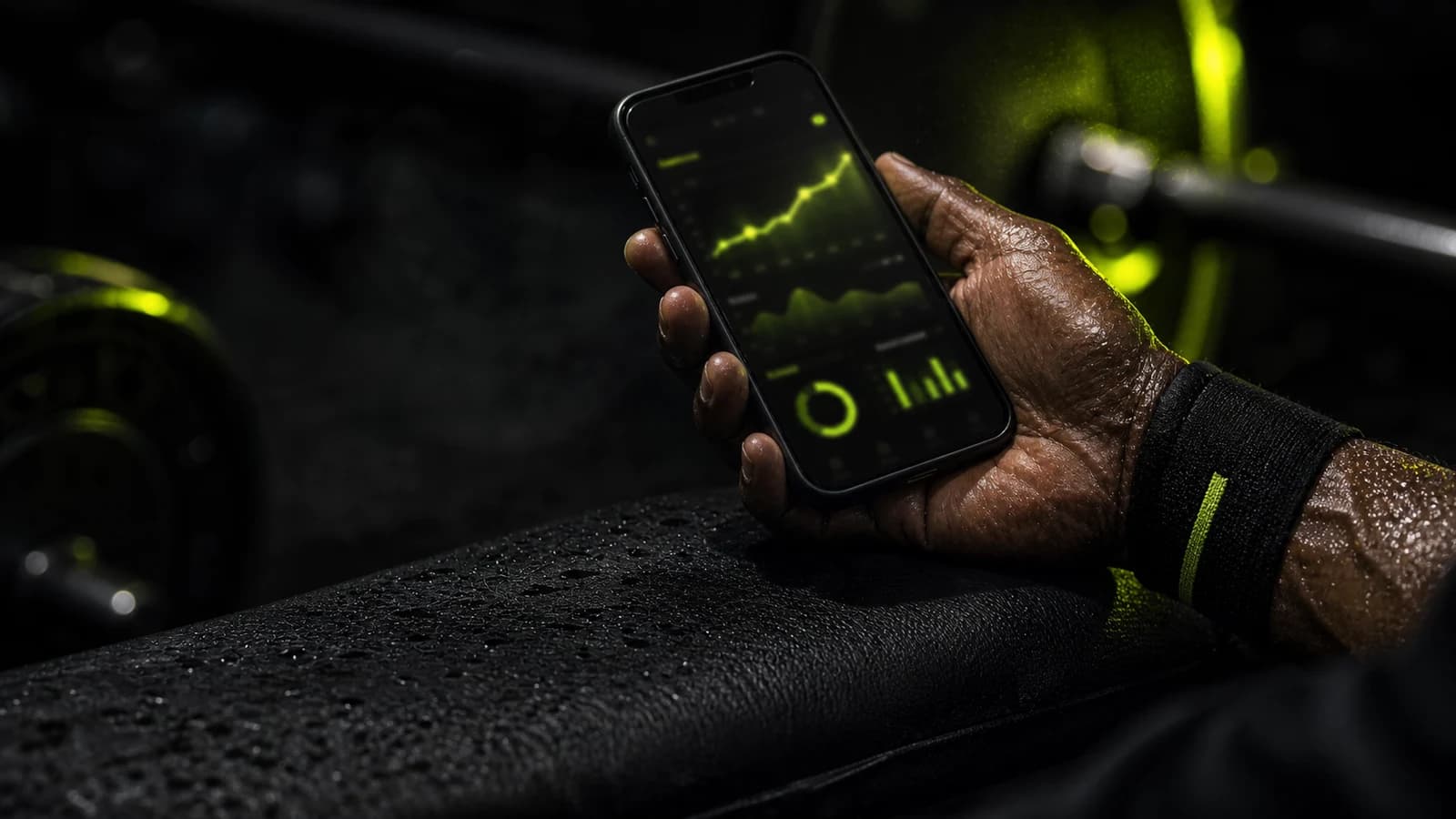
GainLogger logs every set — weight, reps, and session notes — so you can watch your numbers climb even when the scale plateaus. PR notifications and training streaks keep the momentum visible. See everything it tracks.
Can You Still Hit PRs on GLP-1?
Yes — especially in the first few months. Many people on GLP-1 are also newer or intermediate lifters, so neuromuscular adaptations (learning to move more efficiently) continue even in a caloric deficit.
After three to six months, PRs slow down, but the goal shifts: hold the strength you've built. Maintaining your working weights while dropping 20–40 lb of fat is itself a major achievement — and one worth logging and sharing.
Some experienced lifters choose to pause GLP-1 for a deliberate strength-training muscle-building phase, then resume for a cut. Either way, keeping detailed logs during both phases means you enter each block with real data, not guesswork.
The Bottom Line on Strength Training on GLP-1
Lifting isn't optional while on GLP-1 — it's the mechanism that separates genuine fat loss from losing muscle you spent years building. Three to four sessions of heavy compound training per week, combined with hitting your protein target daily, gives your body a clear reason to hold onto muscle while the medication does its job.
Track every session. Watch your strength numbers. That's how you know the training is working, even when progress feels slow.
Free to log, no paywall on core tracking — start your first session.
Keep reading
Start tracking your workouts today
Available for free on iOS and Android.