RPE training is a system where you set a target effort level for each set — not a fixed weight — so your training automatically adjusts to how strong you feel today. Instead of forcing yourself to hit 100 kg × 5 no matter what, you aim for RPE 8 (two reps left in the tank) and let the weight follow your readiness.
It is the approach that has quietly taken over elite powerlifting and is now spreading through every corner of the gym. Here is exactly how it works and how to start using it this week.
What Is the RPE Scale for Strength Training?
RPE stands for Rate of Perceived Exertion. In a lifting context, the 0–10 scale is defined by how many reps you could still do at the end of a set — called Reps in Reserve (RIR):
- RPE 10 / 0 RIR — Maximum effort. Could not do one more rep.
- RPE 9 / 1 RIR — One rep left in the tank, maybe two on a good day.
- RPE 8 / 2 RIR — Hard but fully controlled. Two reps remaining.
- RPE 7 / 3 RIR — Challenging. Three reps left and form is solid.
- RPE 6 / 4 RIR — Moderate. Plenty left. Warm-up or light work.
- RPE 5 and below — Easy. Five or more reps in reserve.
Most productive strength and hypertrophy training lives between RPE 6 and 9. That range is hard enough to force adaptation but controlled enough that you recover for the next session.
Why RPE Beats Percentage-Based Programming
Traditional programs prescribe percentages of your one-rep max: "Squat 3 × 5 at 80% 1RM." The flaw is that 80% of your max on a Monday after poor sleep is a completely different experience than the same weight on a well-rested Friday. One day it crushes you. The other day it barely registers.
RPE-based training solves this. Your effort target — say, RPE 8 — stays constant. The actual weight on the bar adjusts to your real capacity that day. On a strong day, that is 105 kg. On a rough day, 95 kg. Either way you leave with the same training stimulus and the same recovery demand.
Research confirms it: autoregulation with RPE produces strength gains equal to or better than fixed-percentage programs, with less accumulated fatigue across a training block. The session feels right because it is right — matched to you, today.
How to Use Reps in Reserve in Practice
The method is straightforward. After each working set, ask yourself one question: "How many more clean, quality reps could I realistically have done?"
- Stopped the set with 2 reps clearly left → RPE 8
- Ground out the last rep and barely made it → RPE 9 to 10
- Felt fresh with 4 reps still available → RPE 6
For most lifters, "leave 2–3 good reps in the tank" is the easiest entry point. That phrase equals RPE 7–8 — the sweet spot for compound movements across a training block.
Expect 4–8 weeks before your RPE ratings become consistently accurate. This is completely normal. The habit of pausing to assess effort after every set develops self-awareness faster than anything else, and imprecision early on does not hurt your training.
The single best practice: log your RPE every set, not occasionally. Write it down alongside the weight and reps. Over weeks, patterns emerge that are genuinely useful — you will notice that Tuesday squats feel like RPE 8 at 100 kg while Friday's feel like RPE 7 at the same load. That data reveals your recovery cycle and makes planning straightforward.
RPE Targets for Strength vs Hypertrophy
The goal of the training block shapes which part of the RPE range to work in:
Strength focus (1–5 rep range): Build to a top set at RPE 8–9, then take backoff sets at RPE 7–8. Reserve RPE 10 for genuine testing or competition day — grinding maximal singles in every session stacks neurological fatigue fast.
Hypertrophy focus (6–15 rep range): Most sets land at RPE 7–9. Occasional sets to RPE 9–10 on isolation movements — curls, leg press, lat pulldowns — are fine where failure risk is low. On compound movements, staying at RPE 8 keeps form intact under fatigue.
Deload weeks: RPE 4–6. Same exercises, same rep ranges, dramatically reduced effort. This is where RPE programming has a structural advantage — a deload prescribed as "RPE 5" is self-calibrating, not a guessing game about what 50% of your max feels like.
How to Track RPE and See Your Progress
RPE data is only useful if you record it and look at it before your next session. A log that captures weight + reps + RPE gives you the full picture: not just what you lifted, but how hard it actually felt.
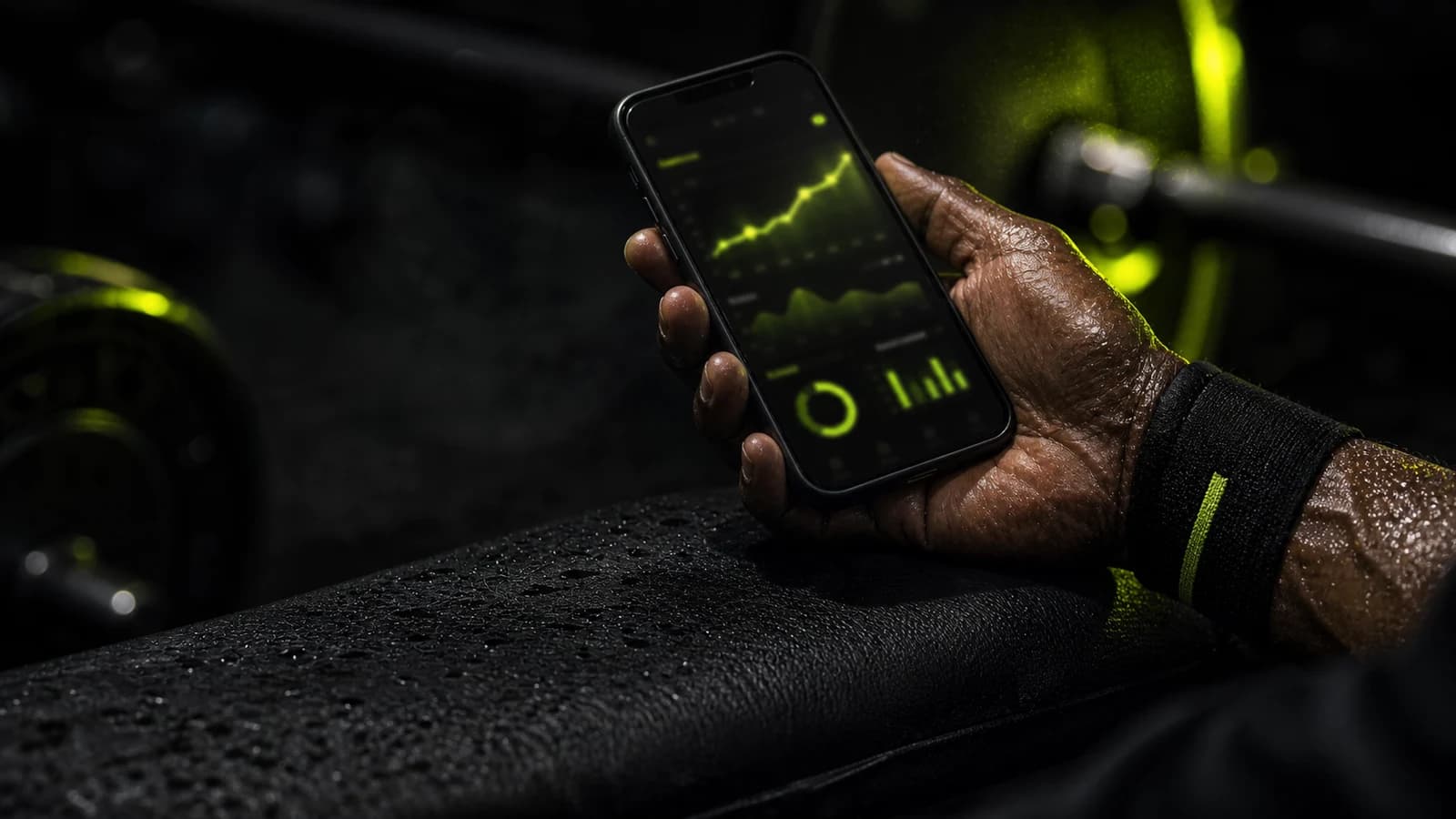
The payoff shows up around week 4. Your squat was RPE 8 at 100 kg in week one. It is RPE 6.5 in week four at the same weight. That drop in perceived effort is the real signal that you are getting stronger — and it is your cue to add load. That is progressive overload made visible.
GainLogger's workout tracker lets you add effort notes to every set alongside your weight and reps, completely free. When you open the app at the start of the next session, last week's numbers — including your effort notes — are right there inline. No digging, no mental math. Just a clear reference for how hard the set felt and whether today is the day to push heavier.
When you hit a PR, the app fires an alert immediately — mid-session, right when it matters. A personal record notification at set three hits harder than any pre-workout.
Log from your wrist too. GainLogger runs natively on Apple Watch and Wear OS. Between sets — instead of picking up your phone — tap your watch to log the set and jot a quick RPE note. The session stays complete without interrupting your flow.
Common RPE Training Mistakes
Sandbagging: Calling sets RPE 6 when they are really RPE 8. This is the most common beginner error — people overestimate how many reps they have left. Fix it by occasionally taking a set all the way to genuine failure so you recalibrate your internal gauge.
Going to RPE 10 every session: Maximum effort every set feels productive but destroys recovery. Reserve RPE 10 for testing days and final sets on safe isolation exercises.
Skipping the log: An occasional RPE note is nearly worthless. The value compounds only when you have 8, 12, 20 consecutive sessions of data to look back at. Consistency in logging is what makes autoregulation actually work.
Not reviewing last session: Logging RPE is half the equation. Opening the app before your first set and reading what RPE you hit last time is the other half. That 10-second check is what separates informed training from guessing.
Start Autoregulating Your Training Today
RPE training is not guesswork — it is a self-calibrating system that rewards lifters who pay attention. Set a target effort level, log the actual RPE after each set, and adjust load based on what your own data shows you. Do that consistently and your training gets smarter every week.
The feedback loop is tight. Four to six sessions in, you will already be making better decisions about when to add weight and when to hold steady. Eight to twelve sessions in, you will wonder why you ever chased fixed percentages.
Download GainLogger free on iOS and Android — build your template, log your first RPE session, and let the data tell you exactly when to push harder and when to hold back.
Watch your numbers climb.
Keep reading
Start tracking your workouts today
Available for free on iOS and Android.